
Albany Genealogy Records
Albany genealogy research takes you to the heart of the mid-Willamette Valley. Founded in 1848, Albany is one of the oldest cities in Oregon. Searching for Albany ancestors means working with Linn County records, local museums, and state archives. The city's historic homes and deep roots make it a rich place for family history work. Begin your Albany genealogy search with the tools on this page.
Albany History and Genealogy
Albany was founded in 1848 by Walter and Thomas Monteith. They named the town after their home city of Albany, New York. The site sat where the Calapooia River meets the Willamette. It was a natural crossing point. The town grew as a river port and trading post. Albany was incorporated in 1864 and became the county seat of Linn County.
The early decades brought waves of settlers from the eastern states. They came by wagon train and later by rail. Each wave left records. Land claims filed with the federal government show who arrived first. County records track marriages, births, and deaths from the 1840s onward. Church logs, school rolls, and business ledgers round out the picture. Albany genealogy depends on all of these sources working together to build a complete family story.
By the late 1800s, Albany had become a center for manufacturing and agriculture. Flour mills, woolen mills, and farm supply stores lined the streets. The workers and owners of these businesses are found in Albany genealogy records. Census data, city directories, and tax rolls capture their names and details. This era left a deep paper trail for modern researchers.
Albany Genealogy and Historic Homes
Albany has more historic buildings than almost any other city in Oregon. Over 700 structures are on the historic register. These homes and shops tell the story of the families who built them. For genealogy, the records tied to these buildings are valuable. Deeds, building permits, and insurance maps show who lived where and when.
The Monteith Historical Society preserves the history of the founding families. The Monteith House is one of the oldest homes in Albany. It stands as a link to the very start of the city. Records of the Monteith family and other early settlers are part of the society's collections. The group also runs educational programs on Albany's past that can give context to your genealogy work.
Oregon public records law plays a key role in Albany genealogy research. Below is a resource that explains your rights under this law.
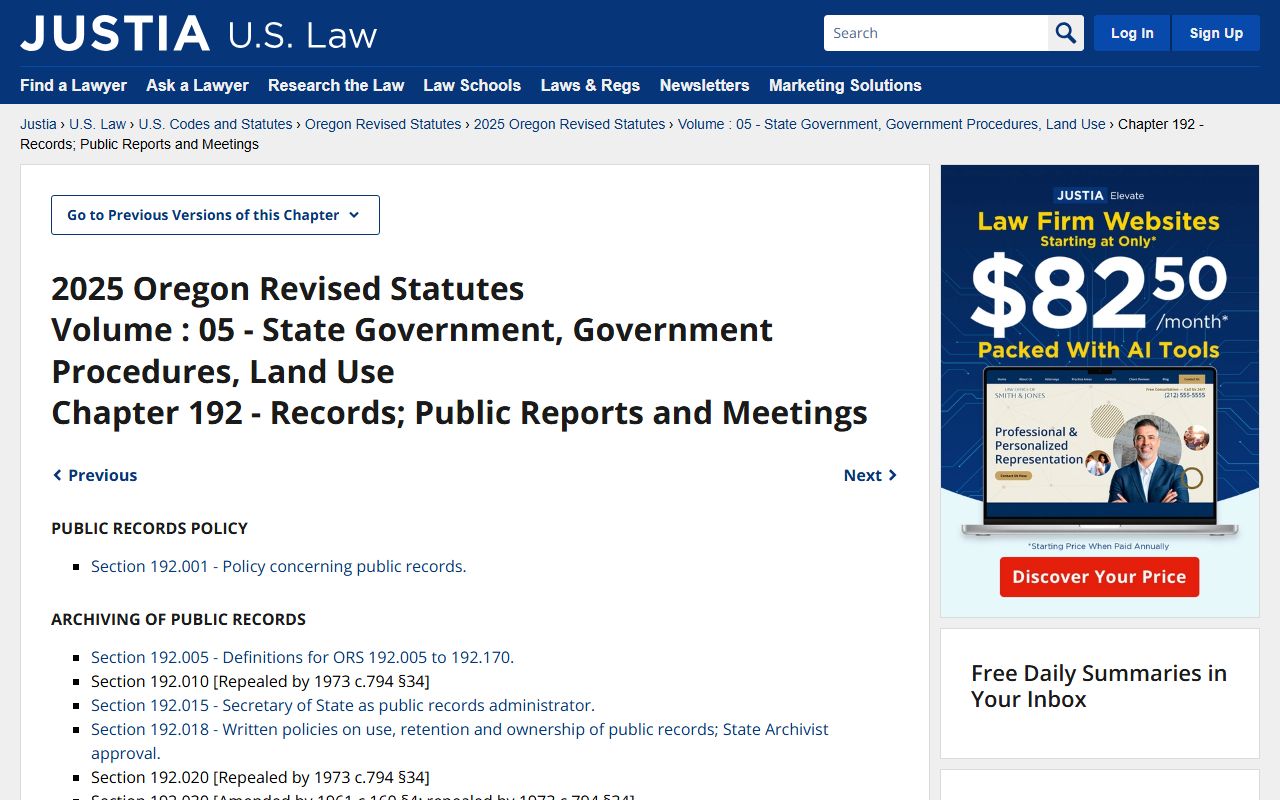
Under ORS 192, government records are open to the public. This includes city records, county files, and state documents. For Albany genealogy, this law gives you the right to access deeds, vital records, court files, and more.
Note: Albany's historic districts hold clues for genealogy research, as property records often list multiple owners going back over a century.
Linn County Genealogy Records
Albany is the county seat of Linn County. The county was established in 1847, one year before Albany itself was founded. That means county records go back to the very beginning of American settlement in the area. The Linn County offices handle vital records, property deeds, and court files for Albany and the surrounding area.
Birth and death records are held by the county clerk. Marriage licenses date back to the 1840s in Linn County. Property records show land ownership from the earliest claims through the present day. Probate files reveal family ties through wills and estate settlements. Court records include civil cases, divorces, and criminal matters. All of these record types are useful for Albany genealogy research.
- Birth and death certificates at the county clerk
- Marriage licenses from the 1840s to the present
- Property deeds and land records
- Probate and estate settlement files
- Circuit court case records
- Historical tax assessment rolls
The Oregon State Archives Linn County page lists the county records that have been transferred to the state for long-term storage. Older Albany genealogy records may be held in Salem rather than at the county offices. Check both locations when you search for Linn County files.
Albany Regional Museum Records
The Albany Regional Museum documents the history of Albany and Linn County. Their collections include photographs, artifacts, and documents that span the full history of the city. For genealogy, the museum holds items that you will not find in government files. Family photos, business records, and community group logs are all part of the archive.
The museum staff offers research help for genealogists. They can guide you to the right section of the collection for your Albany search. Photos are a strong part of the holdings. Old images of Albany streets, homes, and people can help you put a face to a name in your family tree. Business records show who worked where and when. Community group logs reveal social ties between Albany families.
Vital records at the state level are another key source for Albany genealogy. The Oregon Vital Records Center handles birth, death, and marriage certificates.
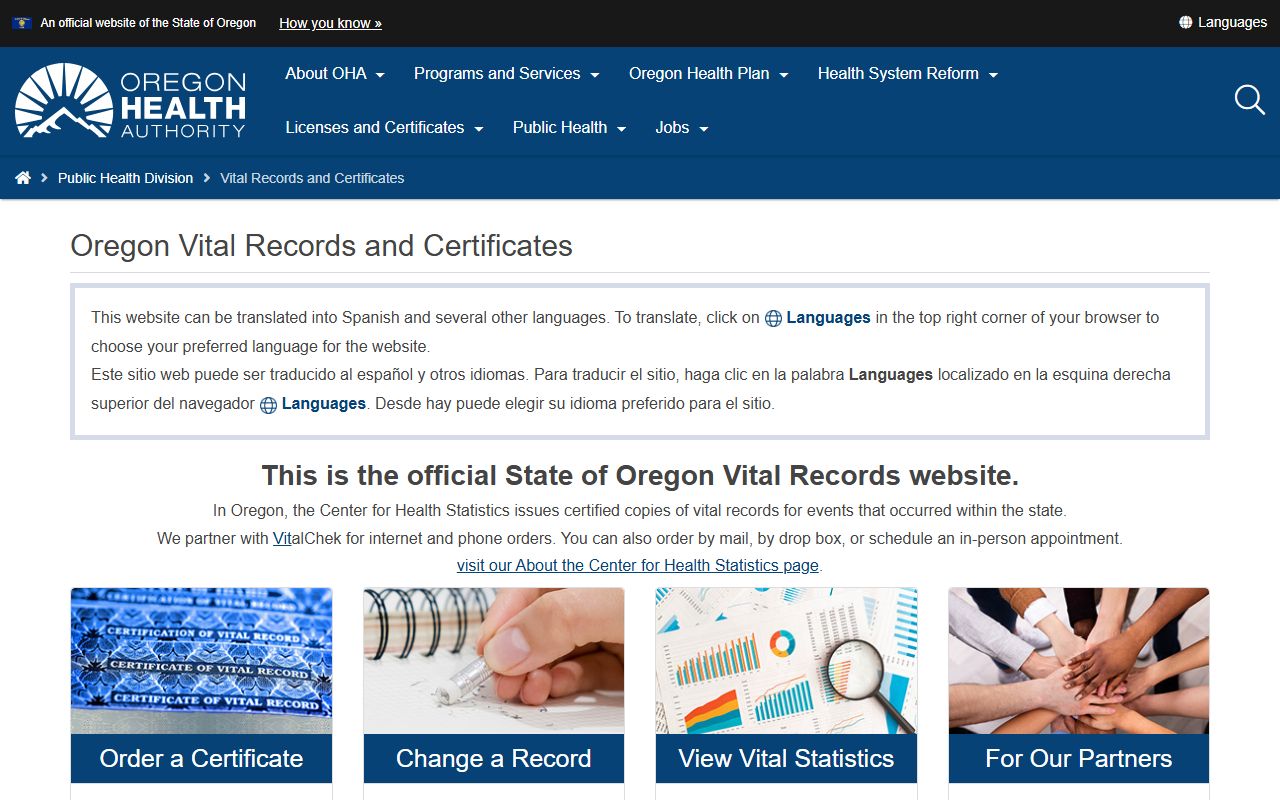
You can order records through the Oregon Health Authority or use the VitalChek online service. State vital records cover births from 1903, deaths from 1903, and marriages from 1906 onward.
Albany Genealogy Search Tips
Start with what you know. Gather names, dates, and places from family members. Then match each question to the right record source. Vital records confirm births, deaths, and marriages. Land records show where an Albany family lived. Census data gives snapshots every ten years.
Newspapers are a powerful tool for Albany genealogy. The Albany Democrat-Herald and its earlier forms published notices of births, deaths, weddings, and community events for well over a century. Obituaries are especially rich. They often list surviving family members, birthplaces, and career details. Many issues are on microfilm at the Albany Public Library.
Cemetery records add another layer. Several cemeteries in the Albany area have burial logs that date back to the mid-1800s. These records list names, dates, and sometimes birthplaces. The Oregon Historical Society also holds materials on Albany and Linn County. Their research library in Portland is open to all visitors.
The Oregon State Archives in Salem holds federal census records, military files, and old county documents. For Albany genealogy, these state-level records fill gaps that local sources may not cover. Federal census records from 1850 onward list Albany residents by name, age, and occupation.
Note: Albany sits at the border of Linn and Benton counties, so check records in both counties for families who lived near the line.
Albany Records and Oregon Law
Oregon law protects your right to access public records. Under ORS 192, government records are open unless a specific law says otherwise. For Albany genealogy, this means you can request records from the city, county, and state. The law requires a response within a set time. Fees for copies may apply, but the right to inspect records is free.
Most records used for Albany genealogy are fully public. Land deeds, tax rolls, court records, and vital records are all accessible. Sealed adoption files and some medical records are restricted. But for the vast majority of Albany family history work, the records you need are available. If a request is denied, ask for a written reason and consider an appeal under the provisions of ORS 192.
Linn County Genealogy
Albany is the county seat of Linn County. The county holds vital records, land deeds, and court files from the 1840s onward. These records are the backbone of Albany genealogy research. For a full guide to Linn County resources, visit the county page.