
Search Eugene Genealogy
Eugene is a great place to search for family history in Oregon. The city was founded in 1862 and has deep roots in the Willamette Valley. Eugene genealogy research draws on city records, university archives, and local history collections. Searching for ancestors in Eugene means tapping into Lane County files, museum holdings, and one of the best genealogy societies in the state. The resources here span more than 160 years of settlement.
Eugene City Records
Eugene was incorporated in 1864, just two years after its founding. The City Recorder has maintained public records since that time. These include council minutes, ordinances, and planning documents. For genealogy, these files can show when a street was laid out, when a business was licensed, or when a neighborhood took shape. Such details help place a family in the right part of Eugene at the right time.
Historical records from the City of Eugene also include photos and maps. Old planning documents reveal how Eugene grew from a small town by the Willamette River into the second largest city in Oregon. Maps show lot lines, roads, and landmarks that can help you pinpoint where your ancestors lived. City directories, published for most years, list residents by name and address. They are one of the best tools for tracking a family through Eugene over time.
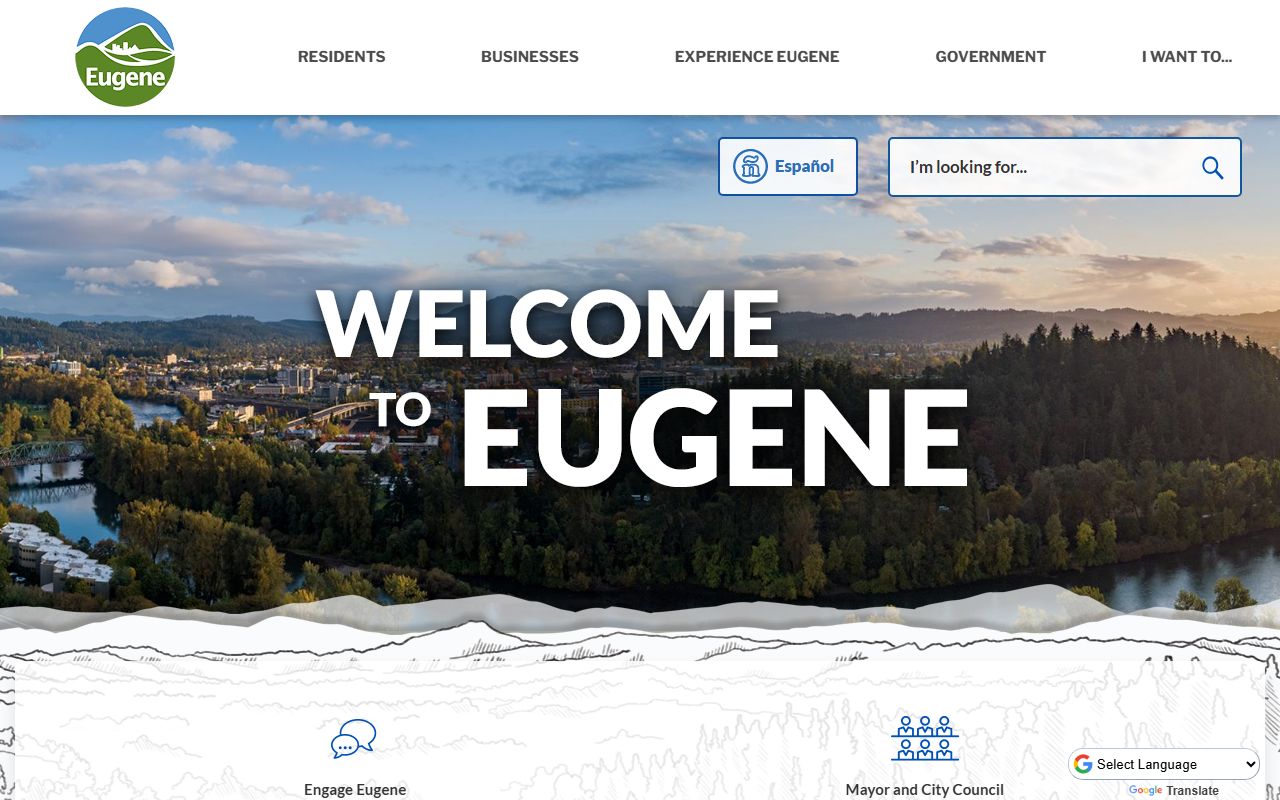
The City of Eugene website provides access to current public records and historical documents.
Under ORS 192, Oregon's public records law, most city records are open to anyone who asks. You can request copies in person or by mail. The City Recorder's office can guide you through the process and help you find what you need for Eugene genealogy.
Eugene Records at Lane County Museum
The Lane County History Museum sits in Eugene and is a major resource for genealogy. The museum has extensive collections that cover all of Lane County, with Eugene at the center. Holdings include local newspapers, city directories, yearbooks, and family histories. These materials are available to researchers in the museum's archives.
Newspapers on file at the museum go back to the 1800s. Obituaries, birth notices, and marriage announcements fill their pages. For Eugene genealogy, these can confirm dates and reveal family connections that no other record shows. Yearbooks from Eugene schools can place a person in a specific grade and year. Family histories donated by local families often contain details that were never published anywhere else.
The museum also holds photos, artifacts, and oral histories. Photos of old Eugene show buildings, streets, and events. Artifacts include tools, clothing, and household items from early settlers. Oral histories capture the voices of people who lived through key moments in Eugene's past. All of these can add depth to your genealogy work.
Note: The Lane County History Museum offers research assistance and can help you locate specific Eugene genealogy records in their holdings.
University of Oregon Libraries
The University of Oregon Libraries in Eugene hold one of the largest research collections in the Pacific Northwest. The Special Collections and University Archives department is home to the Oregon Manuscripts Collection, photo collections, and a wide range of Oregon history materials. Knight Library is the main building on campus.
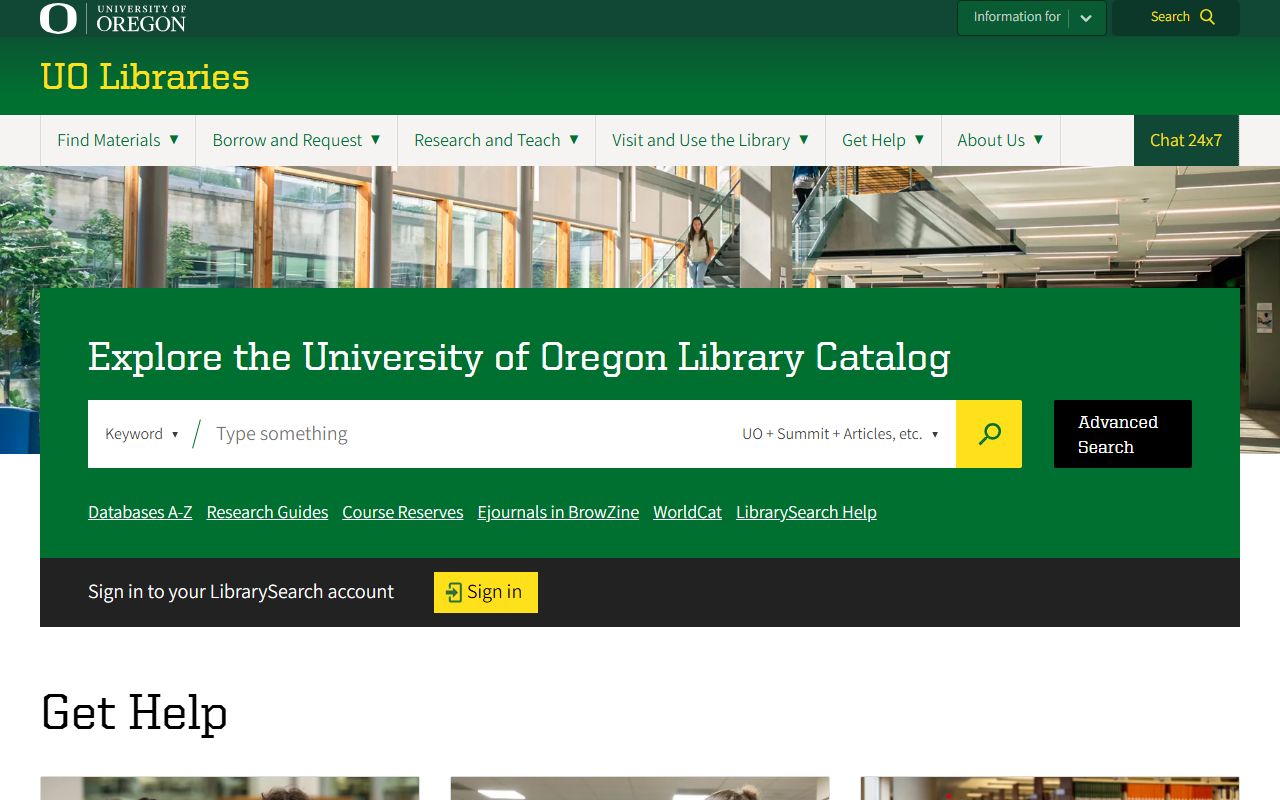
Knight Library at the University of Oregon houses special collections used by Eugene genealogy researchers.
The Oregon Manuscripts Collection includes diaries, letters, business records, and personal papers from Oregon families. Many of these families lived in Eugene or the surrounding area. Photo collections show the city and region across many decades. For Eugene genealogy, these images can help identify people, places, and events that shaped your family's story. The university also participates in the Northwest Digital Archives, which offers online finding aids for collections across the Pacific Northwest.
Access to special collections at the University of Oregon is free. You do not need to be a student. Staff can help you search for materials and guide you through the archives. Oregon's public records laws under ORS 192 apply to government records held here, while private papers follow the donor's terms.
Eugene Genealogy Society Resources
The Oregon Genealogical Society is based in Eugene. It operates a library that is a FamilySearch Affiliate Library. This means you can access FamilySearch records and databases at no cost while in the library. The society also hosts classes, workshops, and DNA research groups. These programs help both new and experienced researchers improve their skills.
The society's library holds a large collection of books, periodicals, and microfilm. Members and visitors can use these to research Eugene genealogy and family history across Oregon and beyond. The collection covers not just Lane County but many other parts of the state and country. Volunteers staff the library and can help you get started or work through a tough research problem.
Classes at the Oregon Genealogical Society cover topics like census research, DNA analysis, and online database use. DNA research groups meet to discuss results and strategies. These hands-on sessions are a great way to learn new methods for your Eugene genealogy search. The society publishes a quarterly journal with articles, source abstracts, and research tips.
Eugene Genealogy Research Tips
Eugene records are spread across many locations. A good plan helps you search well.
Start by gathering what you already know about your Eugene ancestors. Names, dates, and addresses are key. Then decide which records to check first. Vital records are often the best starting point. Birth and death certificates filed with Lane County can confirm facts and reveal new leads. Marriage records list both parties and their parents. These clues can take you back another generation in your Eugene family tree.
Here are useful places to search for Eugene genealogy records:
- Lane County offices for vital records and land deeds
- Lane County History Museum for newspapers and directories
- University of Oregon Libraries for manuscripts and photos
- Oregon Genealogical Society library for books and microfilm
- Oregon State Archives for state-level records
Cross-check each fact across multiple sources. A name in a city directory should match a census entry. A death date should match an obituary. When sources disagree, note both versions and keep looking. Eugene genealogy rewards careful, patient work. The city's archives hold answers for those who take the time to search.
Note: Under ORS 192, you have the right to request public records from Oregon government offices, including Lane County agencies in Eugene.
Lane County Genealogy Records
Eugene is the county seat of Lane County. The county holds marriage, land, probate, and court records that support Eugene genealogy research. Lane County files cover the broader area around Eugene, including small towns and rural communities. Many families moved between Eugene and these places over the years. County records can fill in the gaps that city records leave. Visit the Lane County genealogy page for a full guide to county resources.