
Find Lane County Genealogy
Lane County stretches from the Oregon coast to the Cascade peaks in western Oregon. Genealogy work here taps into timber records, land claims, and vital documents kept at the county seat in Eugene. Searching Lane County archives opens a path to family stories that reach back to 1851, when the county was first formed. Researchers will find rich holdings tied to the Willamette Valley and the timber trade that built this region.
Lane County Clerk Records
The Lane County Clerk maintains records that go back to 1851. Marriage licenses, deed transfers, and lien filings are stored at the clerk's office in Eugene. Lane County was named for Joseph Lane, the first territorial governor of Oregon. His role in shaping the new territory left a mark on the region, and the county that bears his name holds some of the oldest records in the state.
Lane County offers an online records search tool. This lets you look up deeds, liens, and other filed documents from a home computer. The online system covers recent decades, but older Lane County records still require an in-person visit or a written request. The clerk's staff can help you navigate the index books and find records by name or date. Most Lane County records are public under ORS Chapter 192, which governs access to public documents in Oregon.
Land records are a strong suit of the Lane County Clerk's office. The Willamette Valley drew settlers in large numbers during the 1850s and 1860s. Donation Land Claims, timber claims, and farm deeds fill the early record books. These documents show who owned what land, when they got it, and what they did with it. For Lane County genealogy, a single deed can place an ancestor in a specific spot at a known date.
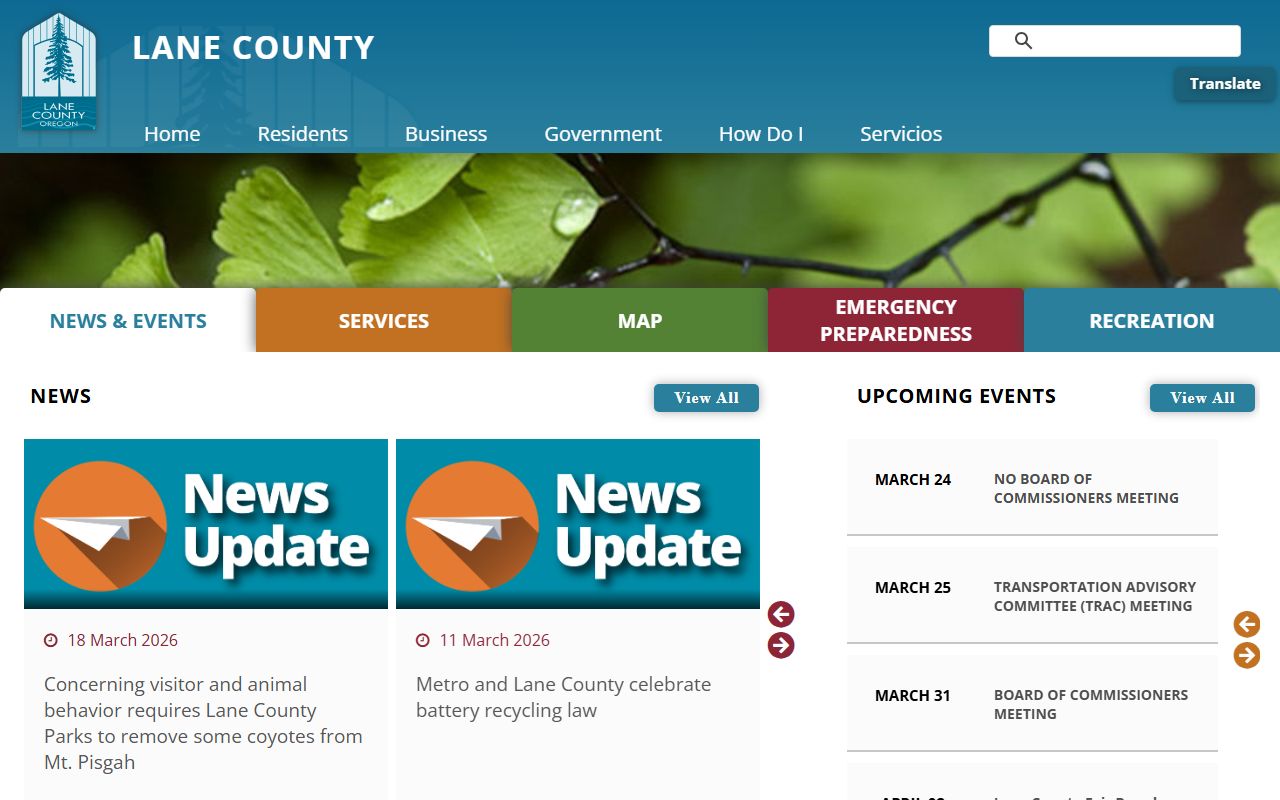
The image above shows the Lane County Clerk's records portal. It is a key starting point for genealogy research in Lane County.
Note: Some older Lane County deed books have been digitized, but not all are available online yet.
Lane County Timber and Land Records
Timber shaped Lane County more than any other trade. Logging camps, sawmills, and lumber yards spread across the county from the 1850s through the twentieth century. The timber trade brought workers from all over the country and from abroad. Their names appear in land records, tax rolls, and court files stored in Lane County. Genealogy research often turns up these industry documents, which reveal who worked the forests, who owned the mills, and how families made their living.
Timber claims are a type of land record found often in Lane County files. Under federal law, a person could claim 160 acres of forest land by paying a fee and swearing an oath. These claims generated paperwork that now sits in Lane County deed books and at the National Archives. Each claim lists a name, a date, and a legal description of the land. For genealogy, this data can pin down where an ancestor lived and when they arrived in Lane County.
The University of Oregon in Eugene also played a big role in Lane County life. Founded in 1876, the school grew along with the city. Faculty, staff, and students appear in local records of all kinds. City directories from Eugene and Springfield list residents by name and address. These directories are housed at the Lane County library and at the university archives. They help confirm that a person lived in Lane County at a given time.
Lane County History Museum
The Lane County History Museum in Eugene holds one of the best local history collections in western Oregon. Photos, artifacts, and research materials fill the archives. The museum has local newspapers, city directories, school yearbooks, and family histories. These sources can add detail and context to Lane County genealogy work that official records alone cannot provide.
Old newspapers are a standout resource at the museum. The Eugene Guard and other Lane County papers printed birth notices, death reports, and marriage news for decades. Legal filings, land sales, and court outcomes also appeared in the paper. A single newspaper item can confirm a date, reveal a family link, or point to a new line of research. The museum holds these papers on microfilm and in bound volumes.
School yearbooks from Eugene, Springfield, and smaller Lane County towns are another gem. They show names, photos, and activities of students and teachers. For genealogy, a yearbook can place a young ancestor in a specific school and year. It can also reveal friendships, clubs, and other ties that help build a fuller picture of life in Lane County.
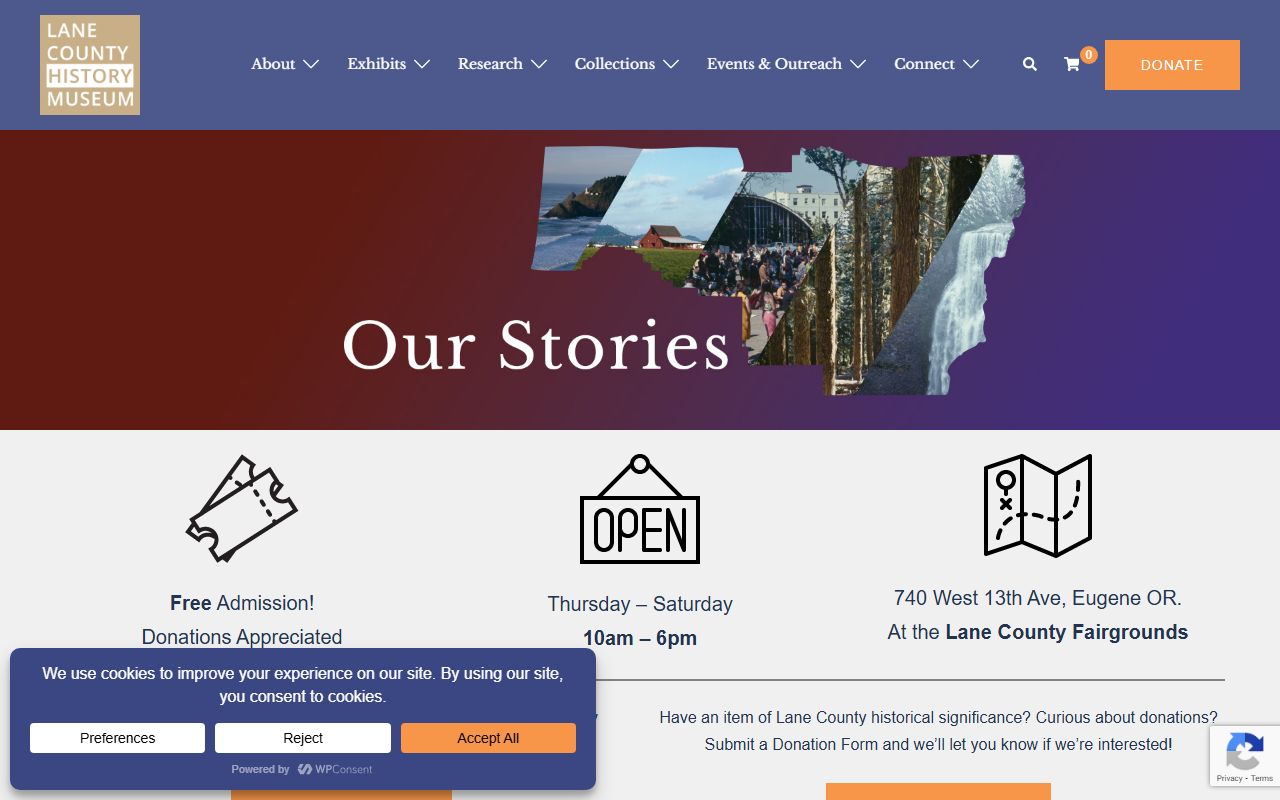
This photo shows the Lane County History Museum, home to a deep collection of records and artifacts for ancestry research.
Note: The Lane County History Museum charges a small fee for research assistance, so plan your budget before you visit.
Lane County Records at State Archives
The Oregon State Archives in Salem holds a large set of Lane County records on microfilm. Circuit Court case files date from 1851. Probate estate files, school records, and extensive timber industry documents round out the collection. These records cover the full span of Lane County history, from the earliest settlements to the mid-twentieth century.
Probate records from Lane County are among the most useful for genealogy. They list heirs, describe property, and sometimes include personal letters or lists of household goods. A probate file can show family ties that no other record reveals. Lane County probate files at the State Archives are indexed and stored on microfilm reels. You can view them in the research room or order copies by mail.
Circuit Court files hold a wealth of data for Lane County genealogy. Lawsuits over land, water, and timber rights fill these records. Divorce cases often list children's names and ages. Criminal cases sometimes include witness lists and personal details. Under ORS 192, most of these court records are open to the public. The State Archives staff can help you find Lane County files by case number or by name.
The State Archives page for Lane County lists all record types held and their date ranges. This is a helpful planning tool for Lane County genealogy research.
Lane County Vital Records
Birth and death records in Oregon are held at the state level from 1903 onward. For Lane County births and deaths before that date, you need church records, cemetery logs, and newspaper notices. The Lane County Clerk has marriage records from 1851 to the present. The State Archives holds copies on microfilm as well.
Cemetery records add another layer to Lane County genealogy. Many burial grounds dot the county, from city cemeteries in Eugene to small rural plots in the foothills. Headstones and burial logs list names, dates, and sometimes family links. Volunteers have transcribed some of these cemetery records for online access. Here are common sources for Lane County vital data:
- Lane County Clerk for marriage records from 1851
- Oregon Health Authority for birth and death records from 1903
- Church records for events before state registration
- Cemetery transcriptions posted online by volunteers
- Newspaper notices in the Lane County History Museum
Under ORS 192, the custodian of public records may charge fees for copies. Certified copies cost more than plain ones. Only ask for certification when you need it for a legal purpose.
How to Search Lane County Genealogy
Start with the facts you have. Names, dates, and places form the base of any search. Then choose the record type most likely to fill your gaps. For Lane County genealogy before 1900, land records and timber claims are often the best first step. Marriage and probate files work well for the early 1900s and beyond.
The Lane County Clerk's online search tool lets you check recent records from home. For older records, plan a visit to the clerk's office in Eugene or to the State Archives in Salem. The Lane County History Museum is worth a stop for its newspaper and yearbook collections. Each source adds a new piece to the story of your Lane County ancestry.
Online genealogy databases may have Lane County records as well. Census data, military rolls, and immigration lists can place ancestors in Lane County at specific dates. Local genealogy groups sometimes post indexes or transcriptions that save hours of microfilm review. Every new source you check brings you closer to a full picture of your family's time in Lane County.
Nearby Counties
Lane County borders Benton County, Linn County, Douglas County, Coos County, and Deschutes County. If your ancestors lived near the county line, records may be filed in a neighboring county.